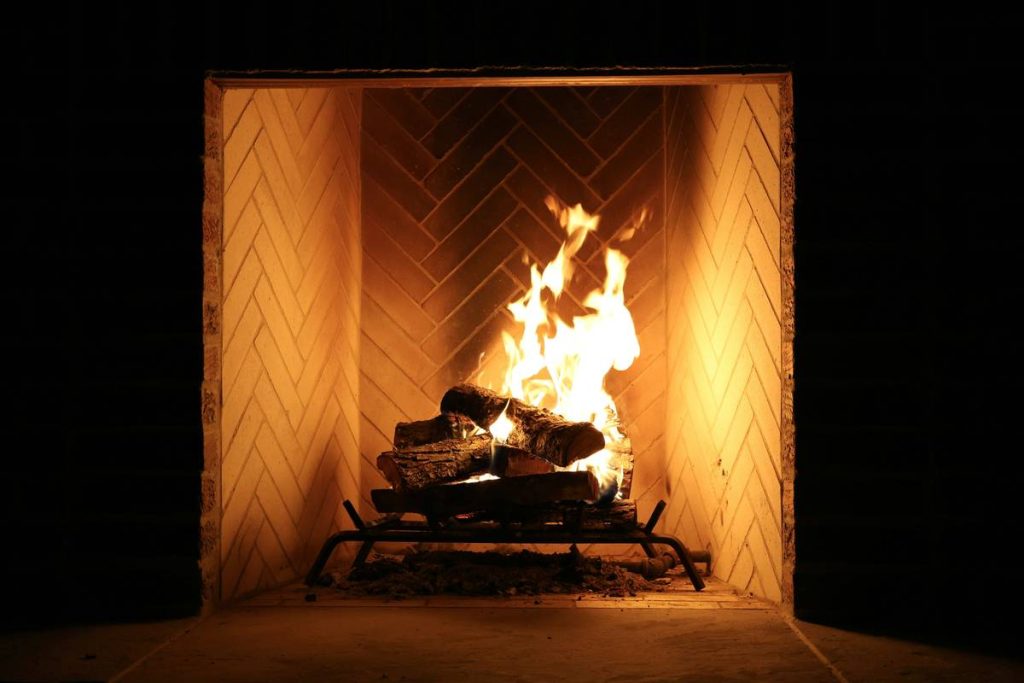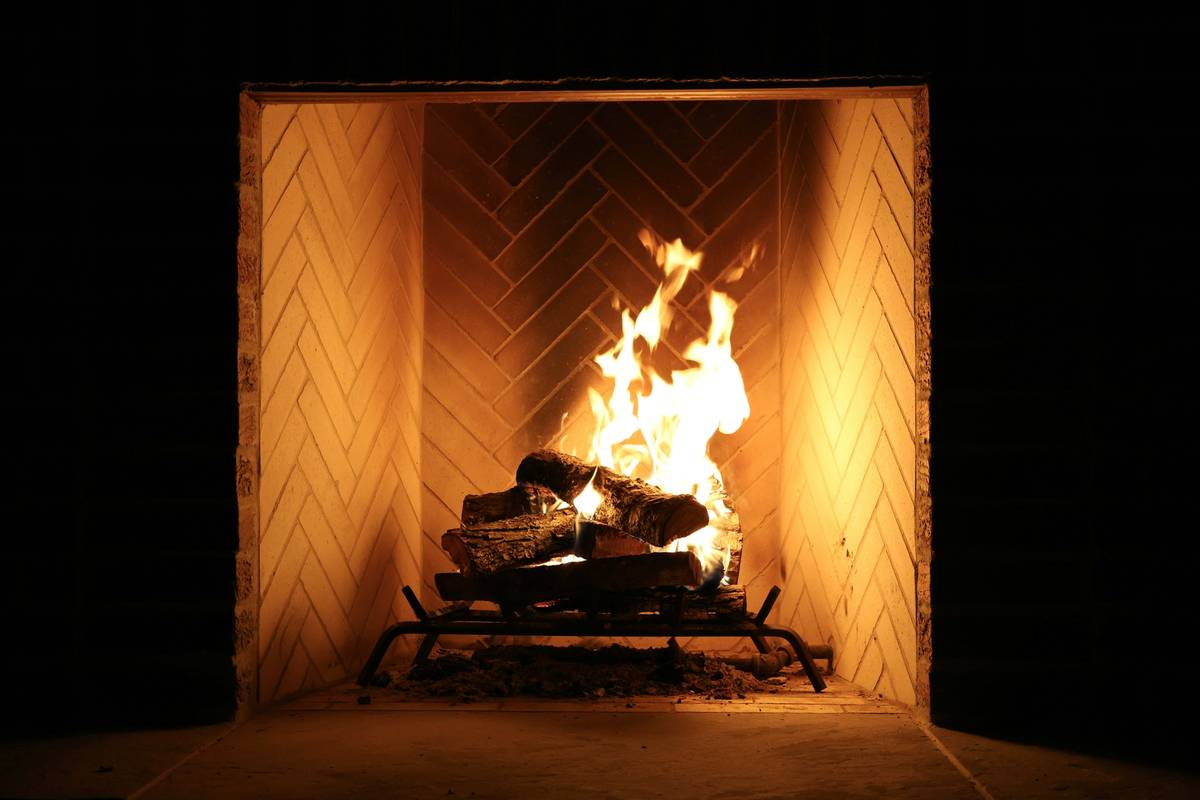
You’ve invested in a beautiful outdoor fireplace—but now it’s baking under the midday sun, turning your cozy nook into a sweatbox. Worse, UV rays bleach fabrics, warp wood, and make metal too hot to touch. Standard patio umbrellas blow away; cheap canopies sag after one storm. The fix isn’t just shade—it’s smart arrangement.
Why Most Outdoor Fireplaces Fail at Sun Protection
People treat fireplaces like standalone features. They plop them in the backyard center and call it a day. Big mistake. Without intentional spatial planning, you get glare on seating surfaces, uneven heat distribution, and zero relief from solar gain. And—let’s be honest—most “shade solutions” are afterthoughts tacked on with zip ties and hope.
The real problem? Sun exposure isn’t static. It shifts hourly. A setup that blocks noon sun might do nothing at 4 PM when golden hour glare blinds your guests. You need geometry, not gadgets.
sun protection fireplace how to arrange: A Tactical Blueprint
Forget slapping up a sailcloth and crossing your fingers. This is about layering structure, orientation, and material choice. Start here:
Orient Your Fireplace Along the East-West Axis
Position the open face of your fireplace perpendicular to the sun’s path. That means facing north or south in the Northern Hemisphere. Why? It minimizes direct sunlight hitting the interior chamber—keeping it cooler and reducing thermal bounce onto nearby furniture. Think about it: morning and afternoon sun hits the sides, not the front. Cleaner sightlines. Better comfort.
Layer Overhead + Vertical Shade
A single canopy won’t cut it. Combine a fixed pergola (for structure) with retractable shade sails or outdoor roller shades on the west side—the direction of harsh afternoon sun. Add climbing vines like wisteria for natural diffusion—they cool the air through transpiration, something synthetic fabric can’t replicate.
Anchor Seating Outside the Solar Cone
Map your sun angles first. Use a free app like Sun Surveyor to trace the summer solstice shadow line. Place lounge chairs and sofas just beyond that arc. Keep them shaded even when the fire’s off. Bonus: this prevents UV damage to cushions and avoids creating “hot spots” where reflected heat accumulates.
| Arrangement Strategy | Upfront Cost | Long-Term Effectiveness | Maintenance Level |
|---|---|---|---|
| Freestanding Umbrella Only | $50–$200 | Poor (blows over, partial coverage) | High (weekly repositioning) |
| Fixed Pergola + Retractable Sails | $1,200–$4,000 | Excellent (customizable sun block) | Low (annual cleaning) |
| Fireplace Built Into Shaded Alcove | $3,000–$8,000+ | Outstanding (structural integration) | Very Low |
The Industry Secret: Borrow Light, Don’t Block It All
Here’s what landscape architects won’t tell DIYers: total shade kills ambiance. The magic happens in dappled light—soft, moving shadows that highlight texture without frying skin. At High Country Cover, we actually angle reflective surfaces (like light-colored stone walls) to bounce indirect light into the seating zone during evening hours. It extends usable time far beyond sunset—without adding artificial lighting that attracts bugs. And—this is key—choose dark-stained concrete or brick for your fireplace surround. Darker materials absorb UV instead of reflecting it back onto guests’ faces. Counterintuitive? Maybe. Effective? Absolutely.
FAQ
Can I use a regular patio umbrella for my outdoor fireplace?
Technically yes—but wind turns it into a projectile. Plus, most umbrellas don’t cover the seating perimeter, only the table. Invest in anchored, tilting models rated for 25+ mph gusts if you must.
What’s the best material for sun-resistant outdoor fireplace decor?
Solution-dyed acrylic fabrics (like Sunbrella) resist fading for 5+ years. For structural elements, go with powder-coated aluminum or teak—both handle UV and moisture without warping.
Does fireplace placement affect home cooling costs?
Yes. A poorly placed fireplace absorbing full sun radiates heat toward your house, increasing AC load. Position it on the shaded side of your property—ideally north-facing—to avoid this hidden energy drain.