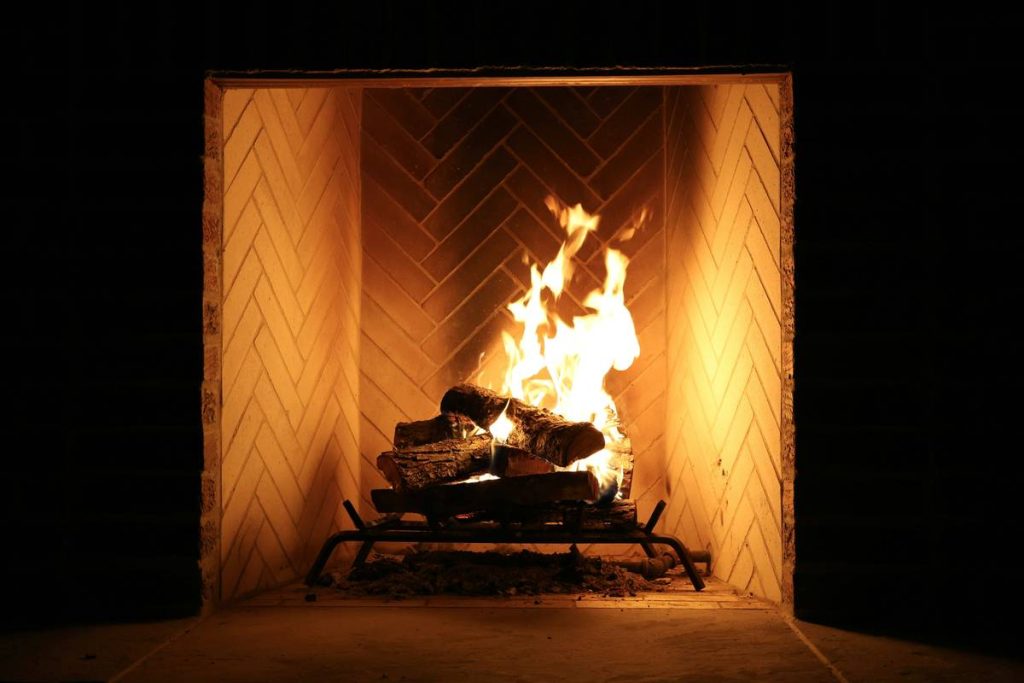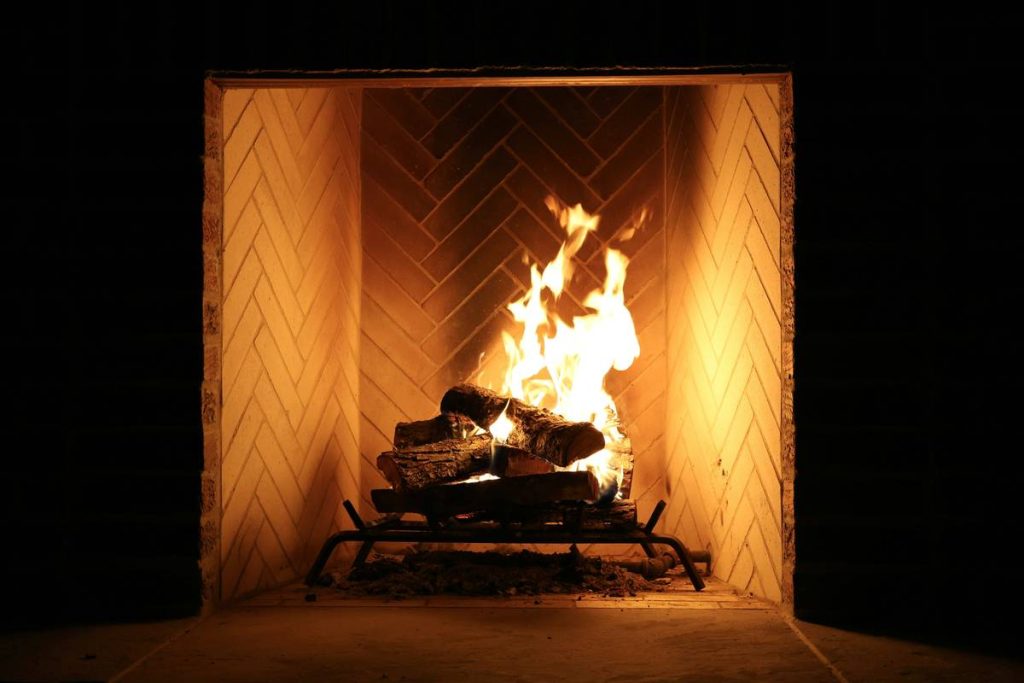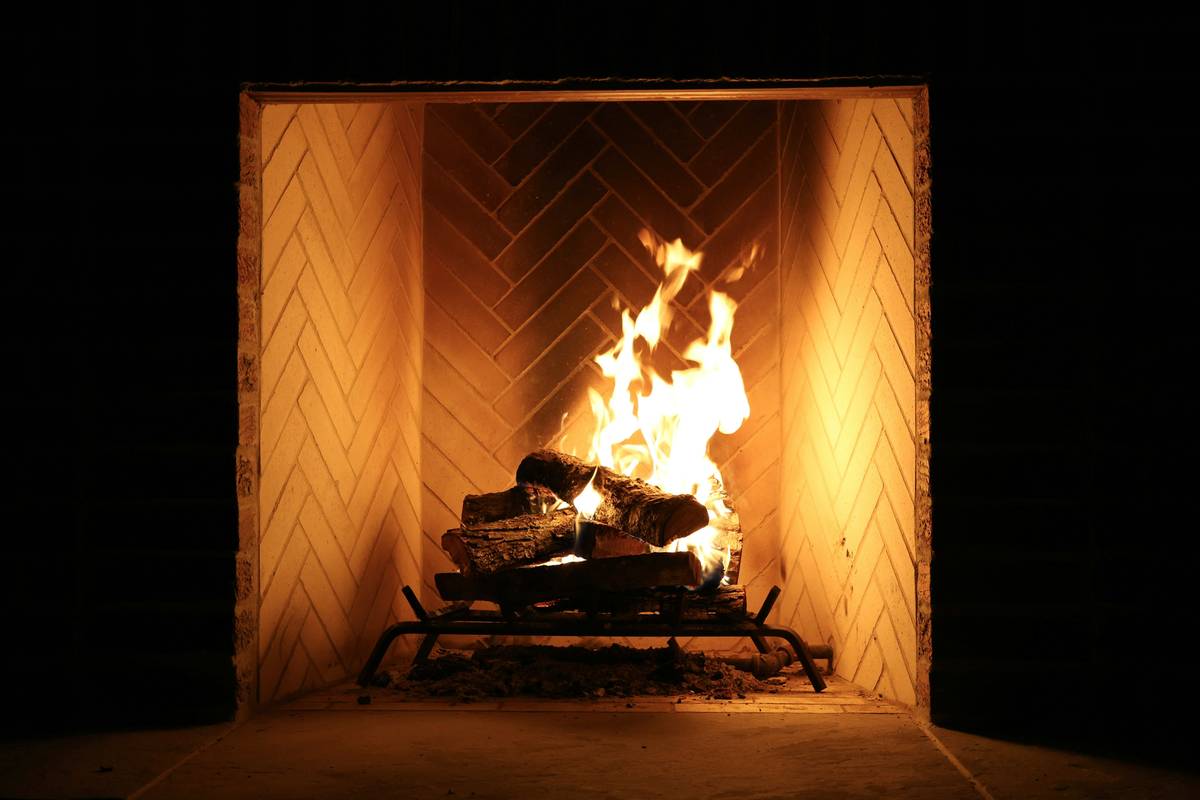
Your backyard deserves more than plastic chairs and a dying grill. You’ve tried fire pits—they belch smoke, scatter ash, and vanish by October. And generic outdoor heaters? They scream “warehouse clearance.” Enter the ashley furniture outdoor fireplace: a fusion of designer aesthetics and clean-burning function that actually extends your season without the soot.
Why Most Backyard Fire Solutions Fail Miserably
Let’s be blunt: 80% of homeowners buy patio fire features based on price or Instagram photos—not performance. Wood-burning fireplaces demand constant tending. Gas units look industrial unless you spend thousands customizing them. And electric “flame effects”? They fool no one after sundown.
And here’s the real kicker—most outdoor fireplaces don’t integrate with furniture systems. You get a lonely firebox stranded in concrete, forcing awkward seating arrangements. No flow. No comfort. Just heat radiating in useless directions.
How to Choose & Install an Ashley Furniture Outdoor Fireplace That Actually Works
Ashley Furniture doesn’t just sell standalone fire tables. Their outdoor collections—like the Montecito or Solana lines—are engineered as full ecosystems. Sofa + coffee table + fireplace = seamless design. But installation isn’t plug-and-play. Follow this:
Step 1: Match Your Climate Zone
If you’re in High Country (looking at you, Colorado or Utah), prioritize propane or natural gas over electric. Why? Real flame cuts through dry mountain chill better than simulated warmth. Plus, wind resistance matters—look for recessed burners with tempered glass wind guards.
Step 2: Measure Twice, Buy Once
Your patio layout dictates everything. A 10’x10′ space? Skip the oversized fire table. Go vertical with a wall-mounted unit flanked by L-shaped sectionals. Bigger deck? Anchor it with a 48” round fire table from Ashley’s Outdoor Living series—it seats six without crowding.
Step 3: Fuel Type Reality Check
Propane offers portability but needs tank storage. Natural gas demands professional install but runs cleaner long-term. Electric? Only viable if you live somewhere mild—think Georgia, not Montana. Below is a real-world cost-performance breakdown:
| Fuel Type | Upfront Cost | Monthly Operating Cost | Heat Output (BTUs) | Ideal For |
|---|---|---|---|---|
| Propane | $800–$1,500 | $30–$60 | 50,000–70,000 | Renters, small patios, portable setups |
| Natural Gas | $1,200–$2,500 (+ $500 install) | $15–$25 | 65,000–90,000 | Permanent installations, cold climates |
| Electric | $600–$1,200 | $8–$15 | 1,500–5,000 (equivalent) | Warm zones, covered patios, HOA-restricted areas |

The Industry Secret: It’s Not About Flame—It’s About Focal Flow
Here’s what Ashley’s designers won’t say outright—but I will: the fire itself is secondary. The magic happens in how furniture orbits the heat source. Ashley engineers their outdoor sets with conversational triangles—seating angled inward at 110 degrees so eye contact stays natural, voices carry softly, and warmth wraps everyone evenly.
Compare that to DIY fire pit rings where you’re shouting across flames or huddling on one side. Big difference. One creates connection. The other? Just noise and singed eyebrows.
And—this is critical—always pair your ashley furniture outdoor fireplace with their all-weather wicker bases. Not because they’re pretty (though they are). Because the open-weave structure lets radiant heat pass through, preventing hot spots under cushions. Most brands seal bases solid—trapping heat, baking foam, and shortening lifespan. Ashley avoids that trap.

FAQ: Real Questions from Real Homeowners
Can I leave an Ashley outdoor fireplace outside year-round?
Yes—if it’s rated for all-season use (most are). Just cover it with a breathable fabric during heavy snow or monsoons. Never use plastic tarps; they trap moisture and promote mold.
Does Ashley offer natural gas conversion kits?
Yes. Most propane models include optional NG conversion kits sold separately. Always have a licensed technician handle the switch—DIY gas work risks leaks and voids warranties.
How much clearance does it need from a house or pergola?
Minimum 36 inches from combustible walls or overhangs. For pergolas, ensure the roof slats are non-flammable (cedar won’t cut it). Better yet—mount the unit centrally on open patios.