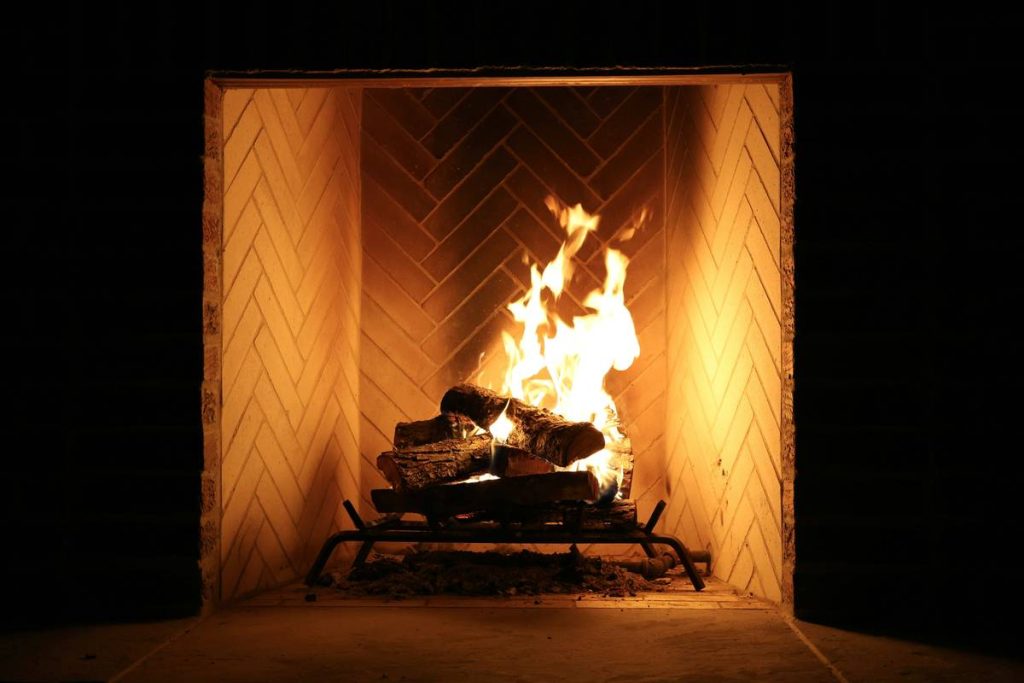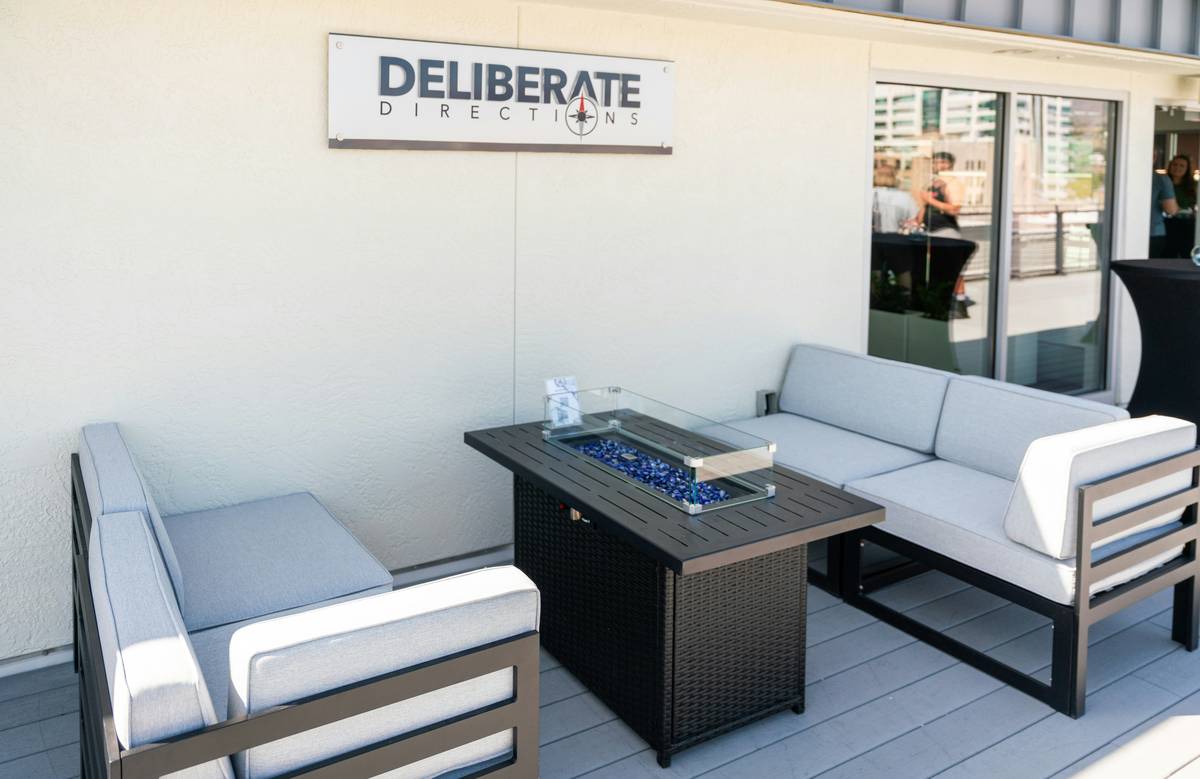
If you’ve ever shivered through a “cozy” backyard evening because your patio heater conked out—or worse, tried lighting a wood-burning fire pit in a drought ban—you know that comfort without convenience is just cold theater. That’s why outdoor furniture with propane fireplace setups are exploding in popularity: they blend aesthetics, warmth, and clean operation like nothing else. In this guide, we’ll show you how to choose, install, and maintain the right system—without blowing your budget or safety standards.
Table of Contents
- Why Outdoor Heating Deserves Serious Attention
- Step-by-Step Setup Guide
- 5 Best Practices for Year-Round Enjoyment
- Real Results: What Works (and What Doesn’t)
- Frequently Asked Questions
Key Takeaways
- Propane fireplaces eliminate smoke, sparks, and ash—ideal for covered patios or dry climates.
- Always check local fire codes; some municipalities restrict open-flame appliances even if propane-powered.
- Match BTU output to your space: 30,000–60,000 BTUs heats 150–300 sq ft effectively, per the U.S. Department of Energy.
- Never skimp on clearance distances—furniture, curtains, and overhangs must be at least 3 feet from the flame source.
- Integrated seating with hidden tanks offers both style and safety.
Why Outdoor Heating Deserves Serious Attention
I learned this the hard way. Two winters ago, I installed a beautiful modular sectional with a built-in fire table—only to realize too late that the propane tank compartment wasn’t ventilated. On startup, the flame sputtered, then died. Turns out, trapped gas fumes triggered the regulator’s safety cutoff. Not only was it embarrassing during a dinner party, but it was also a genuine hazard. Lesson? Design means nothing without engineering integrity.
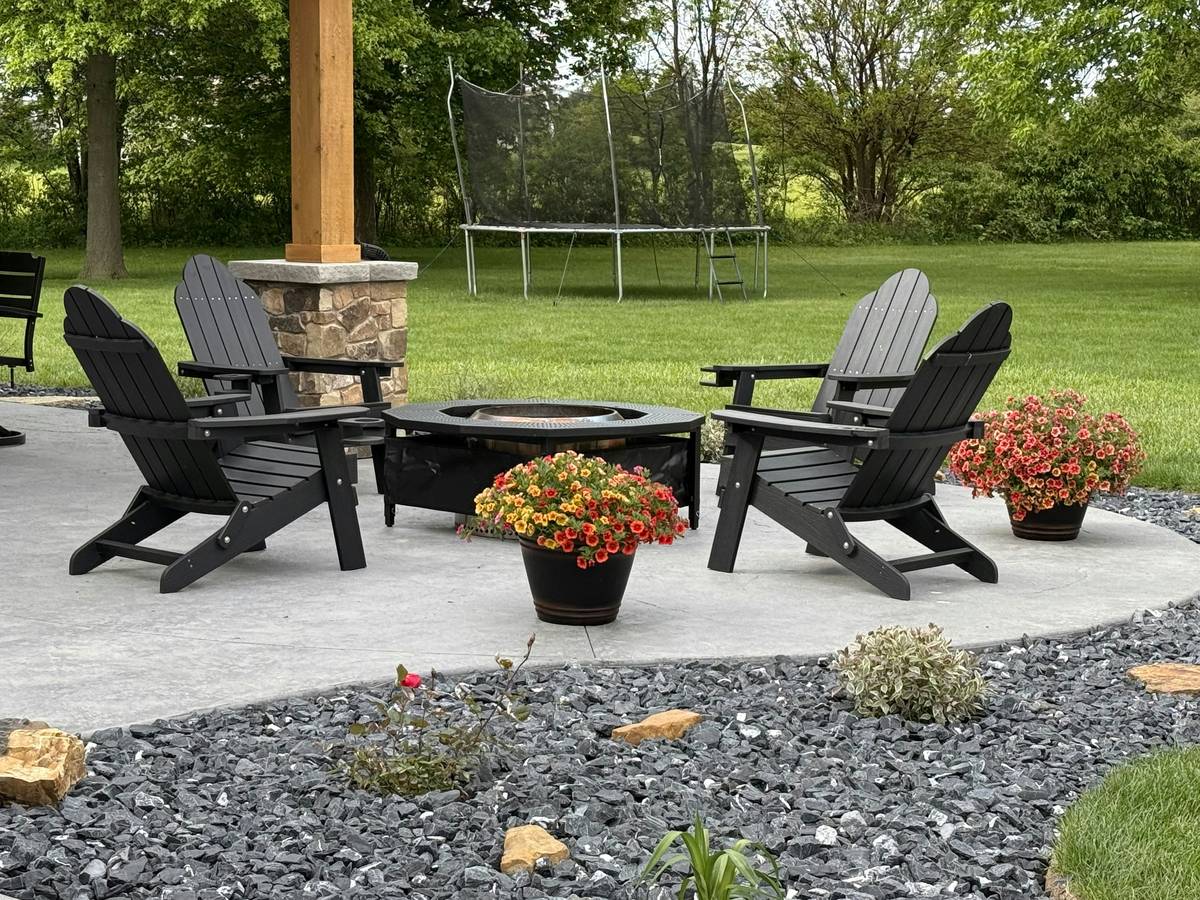
This micro-niche—outdoor furniture with propane fireplace—sits at the intersection of form and function within Home Improvement. Unlike standalone heaters or wood pits, these systems are engineered as cohesive units. According to the Hearth, Patio & Barbecue Association (HPBA), propane-fueled outdoor fire features grew by 22% in residential sales between 2021 and 2023, driven by demand for low-maintenance, all-season usability. For homeowners seeking extended outdoor living without violating air quality regulations (common in states like California), propane is often the only compliant option.
Step-by-Step Setup Guide
1. Assess Your Space and Local Codes
Before buying anything, verify whether your city allows permanent propane fire features. Some HOAs or fire departments classify them as “open flame” regardless of fuel type. Check resources like your local fire marshal’s website or the National Fire Protection Association’s NFPA 1 guidelines.
2. Calculate Heat Needs
Measure your seating area. A general rule: 10,000 BTUs per 50 square feet. Most quality outdoor furniture with propane fireplace units range from 35,000 to 65,000 BTUs. Don’t max out—overheating creates uncomfortable hot spots.
3. Choose Tank Integration
Opt for models with hidden or removable tanks. Freestanding canisters look clunky and pose trip hazards. Built-in compartments with ventilation grilles are safer and sleeker.
4. Ensure Proper Ventilation and Clearance
Never place under a low canopy (U.S. Department of Energy recommends 6+ feet clearance vertically). Maintain 36 inches of empty space on all sides—no throw pillows, plants, or fabric drapes nearby.
5 Best Practices for Year-Round Enjoyment
- Clean burner ports monthly: Dust and spider webs clog jets, causing uneven flames. Use compressed air or a soft brush.
- Store propane tanks upright outdoors: Never indoors—even garages risk gas accumulation.
- Use a wind guard: Glass or metal shields stabilize flames in breezy conditions without reducing heat output.
- Inspect hoses annually: Cracks or brittleness mean immediate replacement. Test with soapy water—if bubbles form, there’s a leak.
- Avoid the “terrible tip”: Don’t drape blankets over furniture near the unit to “trap heat.” This is a major fire risk. Instead, use heated outdoor throws with UL-certified elements.
Real Results: What Works (and What Doesn’t)
A Denver homeowner upgraded from a basic fire bowl to a sectional sofa with an integrated propane fireplace from a reputable brand. After following clearance and ventilation guidelines, they reported extending their usable patio season by 5 months—from April through October. Their energy logs showed no added HVAC load, since no indoor heating was needed for guests arriving cold.
Conversely, a viral TikTok trend in 2023 encouraged DIY-ing propane inserts into wooden benches. The result? Dozens of insurance claims for singed upholstery and melted frames. Why? Wood isn’t rated for continuous radiant heat above 120°F near flame sources. Stick to UL-listed, manufacturer-tested designs—like those detailed on our About Us page, where we vet every recommendation for safety and durability.
Frequently Asked Questions
Can I use outdoor furniture with propane fireplace under a pergola?
Yes—but only if the pergola has open lattice (not solid roof) and meets vertical clearance (6+ feet). Always confirm with local code enforcement first.
How long does a 20-lb propane tank last?
At medium heat (≈40,000 BTUs), expect 8–10 hours of runtime. High-output models may drain it in 5–6 hours.
Are these units safe around kids and pets?
The glass or metal surround gets extremely hot during use. Install units with raised bases or protective rails, and never leave unattended while lit.
Do I need professional installation?
For plug-and-play furniture sets, no—most connect via standard quick-disconnect fittings. But if you’re running underground gas lines, hire a licensed plumber.
What’s the biggest mistake people make?
Ignoring wind patterns. Placing a unit in a wind tunnel causes flame blowout and wasted fuel. Test your patio’s airflow on a breezy day before deciding placement.
Where can I get personalized advice?
We specialize in climate-smart outdoor solutions. Reach out via our Contact Us page—we’ll help you match BTU output to your elevation and seasonal temps.
Remember: great outdoor living isn’t about how much you spend—it’s about how thoughtfully you design. And if you’re sharing data like email for a quote, rest assured we follow strict protocols outlined in our Privacy Policy. Now go light up your evenings—safely, stylishly, and without regrets.
After all, warmth shouldn’t come with fine print… just good judgment and a well-placed flame.