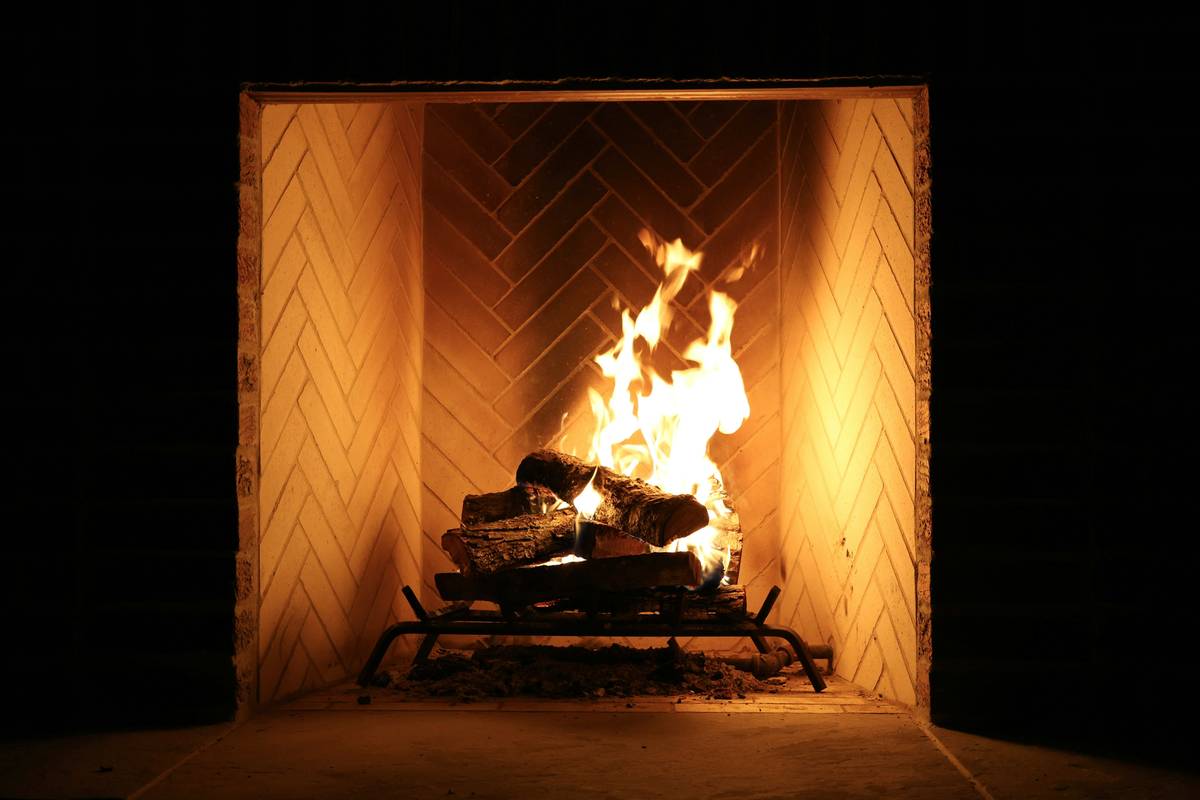
Summer nights cool down faster than you think—especially near water or at elevation. You fire up the grill, pour the wine… and then everyone huddles under blankets by 9 p.m. The real problem? Most outdoor setups ignore thermal comfort after sunset. But what if your patio could stay inviting—social, relaxed, even luxurious—long after the sun dips? That’s where a summer essential fireplace changes everything.
Why Typical Patio Heaters Fail in Real Summer Scenarios
Propane mushroom heaters? They blast hot air upward—useless for seated guests. Electric infrared panels look sleek but cost a fortune to run past two hours. And fire pits? Beautiful, yes—but smoke drifts into conversation zones, and sparks threaten low-hanging string lights or dry grass.
Here’s the reality: most “outdoor heating” is designed for winter tailgating, not summer lounging. You don’t need industrial-grade BTUs—you need subtle, radiant warmth that complements ambiance, not competes with it.
Summer Essential Fireplace: Discover Benefit Of Strategic Outdoor Heating
Picking the right outdoor fireplace isn’t about size—it’s about placement, fuel efficiency, and airflow control. Start with these non-negotiables:
Fuel Type Dictates Flexibility
Wood offers romance but demands storage and cleanup. Natural gas runs clean but needs hardline installation. Propane sits in the middle—portable yet powerful. Choose based on how often you entertain, not just aesthetics.
Heat Direction Beats Raw Output
A 40,000 BTU unit pointed at the sky warms no one. Look for models with downward-angled radiant panels or rear reflectors that bounce heat toward seating—not your neighbor’s yard.
Smoke Management Is Non-Negotiable
Modern wood-burning fireplaces with double-wall insulated flues reduce smoke by up to 70% versus open pits. If you’re within city limits or have close-set patios, this isn’t optional—it’s code-friendly.

| Type | Upfront Cost | Operating Cost (per hour) | Best For |
|---|---|---|---|
| Wood-Burning Masonry | $3,500–$8,000 | $1.50–$3 (wood) | Permanent installations; high ambiance seekers |
| Gas Ventless Insert | $1,200–$2,800 | $0.80–$1.60 (natural gas) | Quick retrofit; clean-burning priority |
| Propane Tabletop | $250–$600 | $1.20–$2.00 | Renters; small decks; seasonal use |
| Electric Infrared Wall-Mount | $400–$1,100 | $0.30–$0.70 | Covered patios; noise-sensitive zones |
The Industry Secret: Layer Heat Like Lighting
Top landscape architects don’t install one massive fireplace. They layer heat sources—just like ambient, task, and accent lighting. A low-profile gas insert along the back wall provides baseline warmth. Add two propane tabletop units near conversation clusters. Then let a central wood feature serve as visual anchor—and occasional supplemental heat.
But here’s what nobody tells you: summer comfort hinges on thermal mass. Stone or concrete seating absorbs radiant heat during the day and gently releases it at night. Pair that with a well-placed fireplace, and your patio stays 8–12°F warmer without burning extra fuel. The math is simple—smart materials reduce runtime, cut costs, and extend hang time.
Frequently Asked Questions
Can you use an outdoor fireplace in summer without overheating?
Absolutely. Modern units offer adjustable flame control. Run low embers for ambiance only—radiant heat stays gentle, not oppressive.
Do outdoor fireplaces add property value?
Yes—when properly integrated. Appraisers note functional outdoor living space increases value by 5–12%, especially with permanent heating.
What’s the safest distance from furniture?
Keep combustibles 36 inches minimum from wood/gas flames. Use non-combustible seating bases like metal or stone within 24 inches.