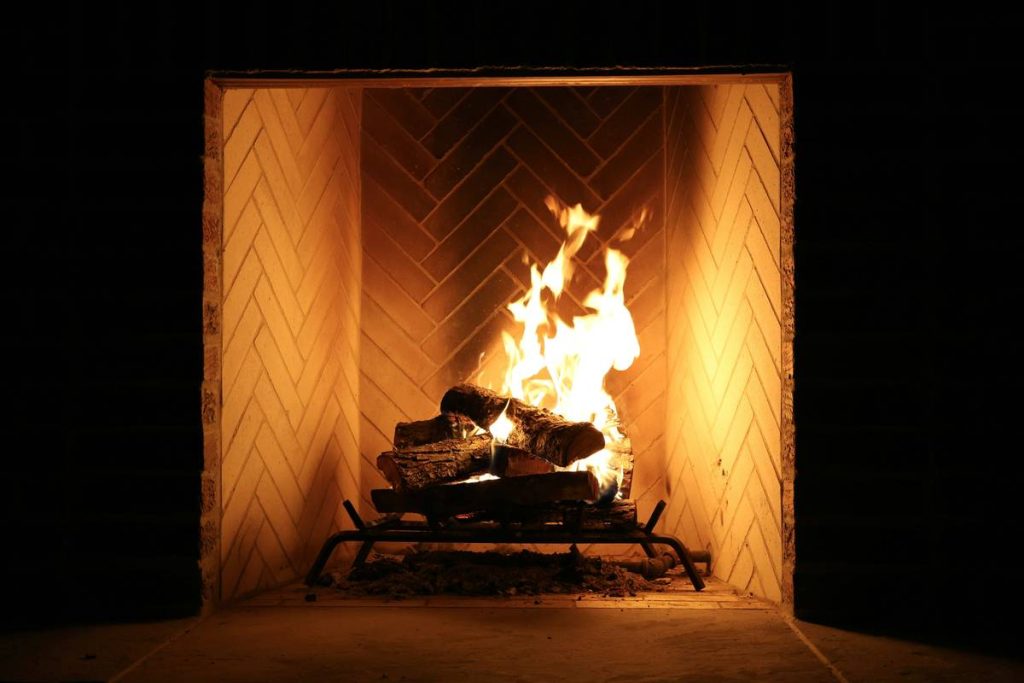
Your backyard feels like a missed opportunity. You’ve got the grill, maybe a few chairs—but that outdoor fireplace? It’s either gathering cobwebs or cranking out heat like a desert furnace in July. You want cozy evenings, not scorched eyebrows. The fix isn’t buying more stuff. It’s knowing how to arrange what you’ve got. Here’s how to make your summer essential fireplace how to arrange work for warm nights—not against them.
Why Most Outdoor Fireplaces Fail in Summer
People treat fireplaces like patio heaters on steroids. They plop them dead-center, surround them with seating, and wonder why conversation dies after 10 minutes. Physics doesn’t take vacations. Radiant heat travels in straight lines—and in summer, that means discomfort, not ambiance.
And layout matters more than fuel type. A sleek gas unit can feel oppressive if it’s too close to loungers. A rustic wood-burning pit becomes unusable if wind funnels smoke toward your dining area. The problem isn’t the fireplace—it’s the placement strategy borrowed from winter thinking.
Summer Essential Fireplace How to Arrange: A Step-by-Step Layout Blueprint
Forget symmetry. Forget center stage. Summer demands airflow, shade balance, and visual flow—not campfire nostalgia.
Step 1: Determine Your Heat Radius (Not Just Square Footage)
Measure your fireplace’s effective radius at full burn—then subtract 3 feet. That’s your true comfort zone in 85°F+ weather. Most manufacturers exaggerate output; test yours on a warm evening with a thermometer.
Step 2: Anchor Against a Backdrop, Not Open Space
Place your fireplace against a wall, trellis, or dense hedge. This blocks radiant heat from bouncing across open lawns and gives guests psychological shelter—like sitting by a window indoors. Bonus: it cuts smoke drift by up to 40% when aligned perpendicular to prevailing breezes.
Step 3: Offset Seating in an L-Shape
Ditch the circle. Arrange two seating zones at 90-degree angles—one for chatting near the flames, another slightly farther back for cooler lounging. This creates choice, not coercion.

| Arrangement Style | Best For | Summer Comfort Score (1-10) | Estimated Setup Time |
|---|---|---|---|
| Centered Circle | Winter gatherings, small patios | 3 | 20 mins |
| L-Shaped w/ Backdrop | Summer entertaining, mixed-use yards | 9 | 45 mins |
| Linear Along Wall | Narrow courtyards, urban decks | 7 | 30 mins |
| Floating Island | Large lawns, aesthetic focus | 4 | 60+ mins |
Step 4: Layer Shade and Soft Surfaces
Add a cantilever umbrella angled over the far seating zone. Lay down outdoor rugs with high pile—they absorb reflected heat from stone or concrete. And never place metal furniture directly opposite the firebox; it acts like a frying pan after sundown.
The Industry Secret: Use Your Fireplace as a Visual Anchor—Not a Heat Source
Here’s what patio designers won’t tell you: In peak summer, most high-end clients barely light their fireplaces. They keep them unlit but perfectly styled—as sculptural focal points. Why? Because the mere presence of a well-arranged hearth elevates perceived value and draws the eye away from less attractive yard features (like that old shed or uneven sod).
Think of it like a fireplace “set dressing.” Stack dry logs neatly inside a gas unit. Tuck battery-powered string lights along the mantel. Add a trio of oversized ceramic planters flanking the base. The result? A space that feels curated—even when the flame stays off. The math is simple: ambiance without combustion = longer guest stays, zero complaints about overheating.
Frequently Asked Questions
Can I use my outdoor fireplace in 90-degree weather?
Yes—but only on breezy evenings, and keep the flame low. Better yet, use it unlit as a design element. Most summer entertaining happens before full dark anyway.
What’s the ideal distance between seating and a summer fireplace?
Aim for 8–12 feet. Close enough to enjoy the visual glow, far enough to avoid radiant heat buildup. Test with your hand: if it feels warm at chest height from your chair, you’re too close.
Should I choose gas or wood for summer use?
Gas wins for summer. Instant on/off control means you can ignite for 20 minutes during golden hour, then shut it down before temps climb. Wood burns too long and hot for flexible summer use.