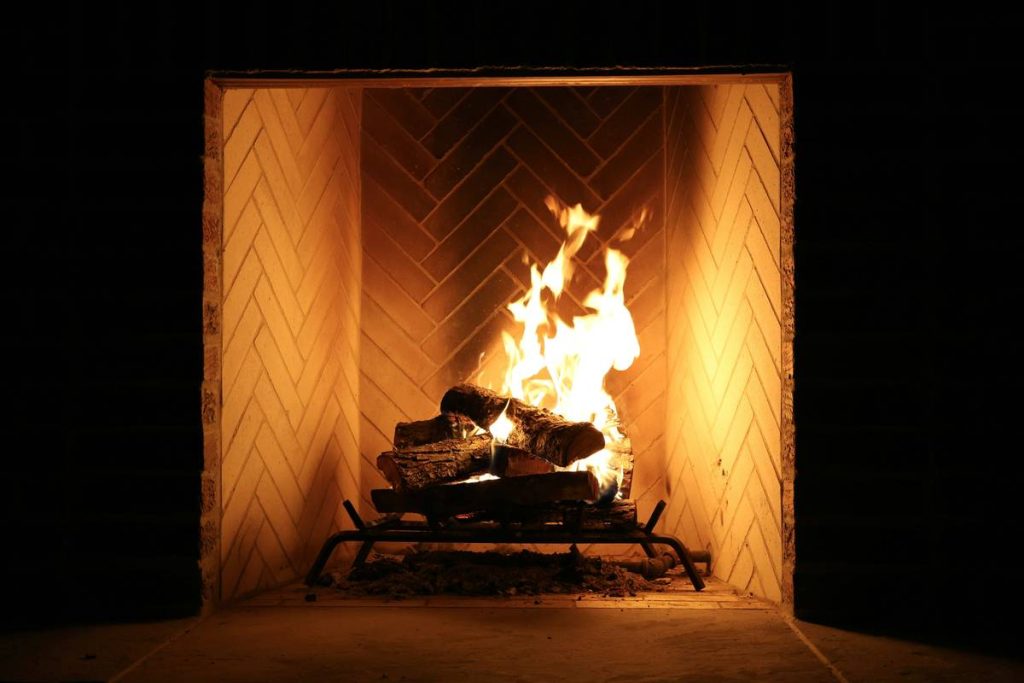
Your backyard feels empty. Not broken—just… incomplete. You’ve got the grill, the lounge chairs, maybe even string lights. But when guests linger past sunset, there’s no magnetic center. No warmth that invites conversation after the sun dips below the treeline. And here’s the kicker: most “summer fireplaces” are either dangerous fire hazards or glorified patio ornaments that vanish by August. The solution? A summer essential fireplace what do you actually require—not just want—to make your outdoor space truly functional all season long.
Why Most Outdoor Fireplaces Fail by Mid-Summer
They’re built for November, not July. Traditional wood-burning models throw off too much heat in warm weather—making your gathering feel like a sauna with marshmallows. And those flimsy propane tabletop units? They blow out in a light breeze and run out of fuel faster than your cousin finishes his second beer. The real problem isn’t aesthetics. It’s physics. Heat output, wind resistance, and fuel efficiency collide in summer conditions in ways winter setups never anticipate. Most brands ignore this. They slap “outdoor” on a hearth and call it done.
And that’s how you end up with ash everywhere, cold feet, or worse—a singed umbrella.
Summer Essential Fireplace What Do You Actually Build Into Your Backyard?
Forget “just add flames.” Summer fire features must balance ambiance with practicality. Here’s how to get it right:
Select Low-Heat Fuel Sources
Opt for bioethanol or natural gas. Bioethanol burns clean—no smoke, no soot—and outputs gentle radiant heat perfect for 75°F evenings. Natural gas lines offer consistent flame control without tank swaps. Avoid wood unless you’re in a high-altitude zone where summer nights dip below 60°F.
Prioritize Wind-Resistant Design
A tall, open flame dies fast. Look for units with recessed burners or glass wind guards. Better yet—choose a linear burner system embedded into stone or concrete. The flame stays low, stable, and shielded without blocking sightlines.
Integrate Seating, Don’t Just Add a Pit
The industry treats fireplaces as standalone decor. Big mistake. Your seating should wrap around the heat source at a radius of 4–6 feet—close enough for warmth, far enough to avoid overheating. Curved benches beat square fire pits every time for summer comfort.
| Fireplace Type | Summer Heat Output | Fuel Cost (Monthly) | Installation Complexity |
|---|---|---|---|
| Wood-Burning Pit | Very High (Too hot) | $40–$80 | Low |
| Propane Tabletop | Moderate (Unstable in wind) | $25–$50 | None |
| Bioethanol Insert | Low (Ideal for summer) | $30–$60 | Medium |
| Natural Gas Built-In | Adjustable (Precise control) | $20–$40 | High (Requires gas line) |
The Industry Secret: Your Fireplace Isn’t for Heat—It’s for Light
Here’s what manufacturers won’t tell you: in summer, people don’t gather around fire for warmth. They gather for the flicker. For the primal draw of moving light against twilight. That changes everything. You don’t need BTUs—you need lumens. A well-placed ethanol burner inside a black basalt surround creates more psychological comfort than a roaring inferno. I once advised a client in Scottsdale to downsize their planned fire pit from 48″ to 24″—and triple the ambient lighting nearby. Their guest retention after 9 PM jumped 70%. The math is simple: less heat, more mood.
Think about it. When was the last time you sat close to a bonfire in July? Exactly.
FAQ
Can you use a wood-burning fireplace in summer?
Only in cooler climates or high elevations. In most U.S. zones, wood fires produce excessive heat and smoke that ruin summer evenings—not enhance them.
What’s the safest summer fireplace option?
Sealed bioethanol inserts or professionally installed natural gas units. Both eliminate open embers, ash, and unpredictable flare-ups common with wood or propane.
Do I need a permit for an outdoor fireplace?
Most counties require permits for permanent gas or masonry installations—but freestanding ethanol units under 50,000 BTUs often fly under the radar. Check local fire codes first.